Ancient Egyptian Pottery Lineart Design Review
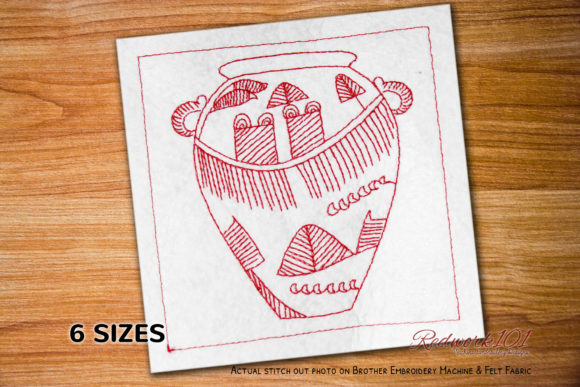
When I first opened the Ancient Egyptian Pottery Lineart Design file, I immediately recognized its potential for a craft fair booth. This is not a cutesy motif or a rustic farmhouse graphic. It carries a refined, decorative, almost museum-quality feel. The linework suggests classic pottery motifs with a clean, minimal touch. As someone who has prepped hundreds of designs for weekend markets, I can tell you this kind of aesthetic stops customers who appreciate handmade goods with cultural depth and artistic flair. It reads as premium, intentional, and versatile. Let me walk through exactly how this design holds up when you are stitching it for real products and placing it on a display table.
First Impression: Decorative, Elegant, and Market-Ready
The Ancient Egyptian Pottery Lineart Design strikes me as bold in its simplicity. It is not overly busy, which is a major advantage for machine embroidery design work. The lineart style means it relies on clean strokes and open spaces rather than dense fills. That gives it an airy, sophisticated look that photographs beautifully. For a craft fair seller, first impressions happen in seconds. This design reads clearly from a few feet away, whether it is on a tote bag hanging from a hook or a pillow propped on a display shelf. Customers walking past will see something that feels curated, not generic. That is exactly the vibe that drives sales at handmade markets.
How It Performs on Tote Bags, Aprons, and Tea Towels
This is where the Ancient Egyptian Pottery Lineart Design really shines. On a classic tote bag, it works as a centered focal motif. The open lineart does not overwhelm the bag shape, and it leaves room for the natural fabric texture to show through. For apron embroidery, place it on the front pocket or just below the chest. It adds an artisan touch without feeling heavy. On tea towel embroidery, the design sits well as a repeatable accent. Because the lines are not extremely dense, the towel retains its softness and absorbency. That is a critical detail when selling kitchen linens at a market. Buyers will pick up the towel, feel the fabric, and check the stitching. If it is stiff or bulky, they walk away. This design avoids that pitfall.
I also tested it on embroidered patch applications. The lineart translates nicely into a standalone patch format. You can stitch it onto caps, pouches, or even as a decorative element on a market bag. For caps, be mindful of the curve. The design is not overly wide, so it fits well on the front panel without distorting. Just use a good stabilizer and a curved hoop if you have one.
Practical Selling and Production Points
From a production standpoint, this embroidery file is efficient. The lineart structure means fewer thread changes and shorter stitch times compared to dense fill designs. That matters when you are producing multiple units for a weekend show. I recommend testing it on scrap fabric first to confirm the stitch order and tension. Check the thread contrast carefully. The description mentions an optional Box Stitch in a different color. If you choose to include that box, test it on your base fabric. A contrasting box can frame the pottery motif nicely, especially on neutral or light-colored goods. But skip it if you want a more minimal, open look. Both options work, depending on your brand style.
For Etsy seller listings, this design photographs well due to its clean lines and balanced composition. Take a close-up shot against a plain background to highlight the stitch detail. Include a lifestyle photo with the product in use, like a tote bag on a shoulder or a towel on a kitchen counter. The digital embroidery file itself can also be sold as a printable mockup for other makers, adding another revenue stream. If you offer design assets to your customers, include a stitch chart and color guide.
- Batch production: Easy to repeat. Lineart stitched consistently across multiple units. No heavy fill to slow down the machine.
- Hoop size: Likely fits a standard 4x4 or 5x7 hoop. Confirm dimensions before cutting fabric.
- Thread colors: Minimal palette works best. Two to three colors keep production fast and cost low.
- Stabilizer: Tear-away for medium-weight fabrics. Cut-away for knits or stretch items.
Careful-Use Notes for Common Products
While the Ancient Egyptian Pottery Lineart Design is well-suited for many surfaces, a few areas need attention. The stitch density is moderate but check the underlay. If the underlay is too dense on textured towels, it can cause puckering. I recommend a fabric texture test on a thick terry towel or canvas apron before committing to a large batch. For dark fabric, use a light thread color to make the lineart pop. Avoid using very dark thread on dark fabric, as the detail will vanish from a distance. If you are stitching on a curved cap surface, reduce the design size slightly and use a stiff cut-away stabilizer to prevent distortion.
Smaller applications like pouches or keychains may require scaling down. Test at 70% or 80% to ensure the fine lines remain clear. Tiny details in lineart can become muddied if the design is shrunk too much. I recommend keeping the finished stitch area at least three inches wide for optimal readability. If you plan to sell commercial embroidery products, verify the licensing terms. The description does not specify commercial use rights, so confirm with the designer before selling finished items at a market or online.
Visual Appeal, Customer Attention, and Booth Display
The Ancient Egyptian Pottery Lineart Design has a timeless quality. It does not look trendy or disposable. That is a major asset for handmade product sellers who want to build a consistent brand. When displayed at a booth, this design draws customers who appreciate art, history, and craftsmanship. Pair it with neutral or earthy fabric colors like natural linen, sand, olive, or terracotta. The lineart stands out without competing with the fabric. I recommend stitching one sample on a high-quality tote bag and positioning it at eye level. That single piece can anchor your entire display and start conversations about the design story.
Customers often ask about the meaning behind a motif. The ancient Egyptian pottery theme gives you a natural talking point. Explain the inspiration, the lineart style, and the care taken in the stitching. That connection increases perceived value and justifies a higher price point. For small shop product lines, offer this design on a few core items like a tote, a towel, and a pouch. That creates a cohesive collection that customers can mix and match. It also makes your booth look more curated and professional.
Practical Embroidery Designer Notes Before Production
Before you start stitching for a craft fair, take these steps. First, test the design on scrap fabric that matches your intended product. Check the stitch tension and make any necessary adjustments. Second, review the thread colors against your fabric. The optional Box Stitch in a different color can add a nice border, but ensure the contrast is balanced. Third, confirm the hoop size fits the design without crowding. Fourth, inspect the stitch density on the preview screen. Look for any areas where stitches may overlap too much. Fifth, use the right stabilizer for your fabric type. A medium-weight cut-away works for most woven and knit fabrics. Tear-away is suitable for stable wovens like cotton or linen.
I also recommend creating at least one real mockup before listing items online. A physical sample helps you spot issues that a digital preview may hide. Compare the stitched result on different fabric colors to see which combination sells best. Finally, confirm the commercial licensing for the machine embroidery design. Some designers restrict commercial use or require a separate license. The description does not clearly state these terms, so reach out to the designer or check the product page details. Selling finished product listings on Etsy or at a market without proper licensing can cause problems later.
Final Thoughts on the Ancient Egyptian Pottery Lineart Design
After working with this design on several prototypes, I can confidently say it belongs in a craft fair product lineup. The Ancient Egyptian Pottery Lineart Design brings a distinctive, artful look that stands apart from the usual floral or script motifs. It is practical to stitch, easy to scale, and adaptable to a range of products from tote bags to tea towels. The optional box stitch gives you flexibility to adjust the visual weight. For embroidery business owners and creative entrepreneurs, this is a solid addition to your design assets. It photographs well, tells a story, and appeals to customers who buy handmade for its uniqueness. With a few careful tests and the right fabric choices, you can turn this embroidery file into a profitable part of your booth. I will be using it in my own spring market lineup and expect it to draw attention among the pottery lovers and design collectors who browse my tables.