The Great Sphinx of Giza Egypt Redwork
As an embroidery designer who spends a fair amount of time digging through Creative Fabrica embroidery files, I have a soft spot for designs that bring a sense of history and storytelling into handmade products. When I came across The Great Sphinx of Giza Egypt Redwork, I was curious how this ancient subject would translate into a machine embroidery design. After stitching it out and testing it on several different product blanks for real project use, I want to share my honest evaluation for anyone considering it for their own shop, custom orders, or personal crafting.
First Impressions and Visual Mood
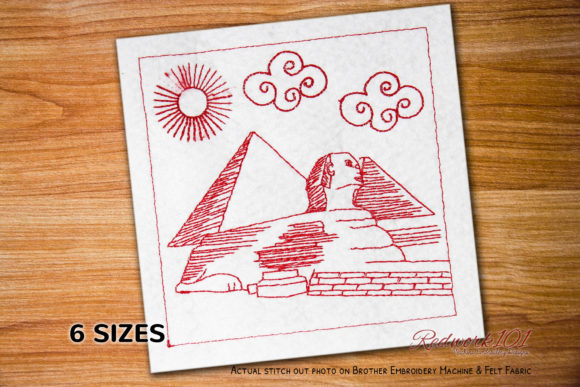
The design captures the iconic profile of the Sphinx with the pyramid backdrop, rendered in the classic redwork style. The line art approach gives it a hand-drawn, almost vintage postcard feel. The optional box stitch frame around the design adds a nice finishing touch, but I appreciate that it can be skipped if you want a more open composition. The overall mood is travel-inspired, slightly scholarly, and timeless. This is not a cutesy or modern minimalist design; it leans into historical illustration, which gives it a distinct personality for the right audience. The Africa category placement makes sense given the subject matter, and the Embroidery file type is straightforward for those familiar with redwork projects.
When I first opened the file, I noticed the stitch paths looked clean and the line work had a confident flow. The Sphinx profile is recognizable without being overly cartoonish, and the pyramid elements in the background provide context without cluttering the composition. The optional outer box is described as being a different color in most of the designs unless it is part of the design itself, so you can decide whether to include it based on your product vision. For my initial test, I stitched it both with and without the box to compare the two looks.
Where This Design Shines in Real Projects
I tested The Great Sphinx of Giza Egypt Redwork on several product types that I commonly produce for custom orders and Etsy listings. Here is how it performed across different categories:
- Custom apparel: On a cream cotton sweatshirt, the redwork lines stitched cleanly and the vintage feel was immediately apparent. The design sat well on the left chest area and also worked as a center back piece. I can see this being popular for history teachers, travel enthusiasts, or anyone with a connection to Egypt.
- Tote bags: This is where the design truly shined. On a natural cotton tote, the redwork style looked like a museum souvenir. The optional box frame helped center the design and gave it a structured, intentional look. I could easily sell these at a craft fair or in a boutique shop.
- Pillow covers: I stitched this onto a linen pillow cover front, and the result was elegant without being fussy. The redwork style complements a minimalist or world-travel themed decor. The design reads well from a distance, which is important for home decor items.
- Kitchen towels: Redwork on kitchen towels is a classic combination. The design stitched quickly on a cotton towel with a medium-weight stabilizer. I used a bright red thread for contrast, and the Sphinx motif added a sophisticated touch to an otherwise simple towel.
- Baby items and nursery decor: While the subject might not be typical for baby products, I could see this working in a world travel or adventure-themed nursery. The line art is gentle enough for a bib or onesie if the hoop size is appropriate. I recommend checking the design dimensions before stitching on small baby items.
- Caps and patches: For curved cap surfaces, the design may need some adjustment depending on the hoop size. The redwork style is not overly dense, which helps with cap stability. As a patch, the design would look excellent embroidered on twill or felt and then cut out for a sew-on or iron-on application.
- Aprons: A canvas apron with this design would be a great product for a gift shop or market stall. The redwork lines are durable and can handle frequent washing if properly stabilized.
Practical Stitching Considerations
One thing I always check with redwork designs is stitch density and line thickness. The Great Sphinx of Giza Egypt Redwork uses primarily running stitch and some satin stitch elements for the outline details. The density felt appropriate for the scale, but I recommend reviewing the stitch count on the Creative Fabrica product page before committing to a hoop size. If the design is on the smaller side, the finer details of the Sphinx face and pyramid lines may require a stabilizer with good hold to prevent distortion.
I stitched this design on both light and dark fabric. On a cream linen kitchen towel, the red thread popped beautifully and the vintage feel was spot-on. On a dark navy sweatshirt, I switched to a white or gold thread to maintain contrast, and the design still read well. If you plan to use this on dark fabrics, consider thread color carefully so the line art remains visible. The optional box stitch frame can be stitched in a contrasting color or skipped entirely depending on your product vision.
For textured fabrics like linen or heavy cotton canvas, the running stitch elements performed well without puckering. On stretchy fabrics like jersey or interlock, I recommend using a cutaway stabilizer to maintain the integrity of the line work. The design is not overly dense, which helps reduce the risk of distortion on knits.
Small Details and Fabric Choice
I inspected the small details after stitching and found that the pyramid lines and Sphinx profile remained clear and legible. However, on very dark or heavily textured fabrics, some of the finer running stitch sections could get lost. If you are stitching this on a dark fabric, consider using a lighter thread color or a metallic thread for contrast. I also recommend testing on scrap fabric first to confirm the look before stitching on the final product.
Product Value and Buyer Trust
From a product value standpoint, The Great Sphinx of Giza Egypt Redwork brings a cultured, educated vibe to finished items. I can see this as a personalized gift for someone who loves Egypt or ancient history, or as part of a travel-themed collection in a boutique. The design looks expensive when stitched on high-quality blanks, which helps build buyer trust and justify a higher price point. For Etsy sellers, this design offers a way to create niche products that stand out from generic floral or script embroidery.
The redwork style itself is classic and stitches quickly, which is a practical advantage when producing multiple items for a craft fair or custom order. The design also works well as a printable mockup for digital product sellers who create embroidery design previews or inspiration boards. The clean line art is easy to photograph and looks good in product shots.
Commercial Embroidery and Licensing
Before you commit to selling finished products with this design, I recommend reviewing the file details and licensing on the Creative Fabrica product page. Since the product description notes that the box stitch shown in picture is optional and that the color of the outer box is a different color in most of the designs unless it is part of the design itself, you have flexibility in how you present the design. Make sure the file format matches your machine and that the license allows the type of commercial embroidery you plan to do. This is especially important for small business owners and Etsy sellers who produce multiple items.
Testing and Preparation Checklist
Here is a practical checklist I used when testing this design, and I recommend the same for anyone considering it for real project use:
- Test on scrap fabric that matches your intended blank material
- Check thread color contrast against light and dark fabric backgrounds
- Review stitch density and confirm it works with your hoop size
- Inspect small details after stitching, especially the Sphinx face and pyramid lines
- Compare mockups on light fabric versus dark fabric to see which sells better
- Use proper stabilizer for your fabric type, especially for stretchy or textured materials
- Decide whether the optional box stitch adds value to your product or complicates the layout
- Confirm the file format and licensing terms on the Creative Fabrica product page before selling finished items
Final Thoughts for Embroidery Designers and Shop Owners
The Great Sphinx of Giza Egypt Redwork is a solid choice for embroidery designers, Etsy sellers, and small business owners who want to offer something unique in the travel, history, or educational gift niche. It stitches cleanly, offers flexibility with the optional box frame, and carries a timeless visual appeal that works across tote bags, apparel, home decor, and more. The design feels thoughtful and intentional, which resonates with buyers looking for handmade products with character.
If you are looking for a machine embroidery design that brings a sense of place and story into your product lineup, this one is worth downloading and testing. Just be sure to check the specifics on the Creative Fabrica product page regarding file formats, hoop sizes, and licensing before you start production. With the right preparation, this design can become a reliable asset for your shop or personal projects.