German Shepherd Dog Sitting and Smile: Craft Fair Review
As an embroidery designer who has prepped hundreds of designs for weekend craft fairs, holiday markets, and Etsy shops, I have learned to spot a winning machine embroidery design the moment I open the file. When I first examined the German Shepherd Dog Sitting and Smile embroidery file, I immediately recognized its potential for handmade product sellers. This design brings together two powerful selling elements: a beloved dog breed and an expression that feels warm and approachable. In this review, I will walk through how this design performs in real booth settings, which products showcase it best, and what technical considerations you need to address before you stitch your first batch.
First Impressions of the German Shepherd Dog Sitting and Smile Design
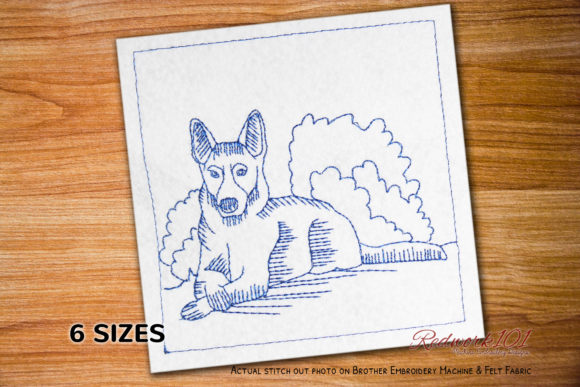
The title alone tells you exactly what you are getting: a German Shepherd in a seated pose with a smile. That straightforward clarity is valuable for craft fair customers who browse quickly. When shoppers walk past your booth, they need to understand a design in under three seconds. German Shepherd Dog Sitting and Smile delivers that instant recognition. The dog silhouette is classic and recognizable, and the smiling expression adds warmth that sets it apart from more serious or stoic breed portraits.
The mention of an optional Box Stitch is a thoughtful detail. The description notes that "The Box Stitch shown in picture is optional" and that "the color of outer Box is different color in most of the designs unless it is part of the design itself, you can skip." This tells me the base design is self-contained and works perfectly as a standalone motif. That flexibility is exactly what I look for when preparing products for a booth. You can stitch it alone for a clean, modern look or add the Box Stitch for a framed, finished appearance on items like patches or pillow covers. This optionality means one embroidery file can serve multiple product styles.
Why This Design Works for Craft Fair and Handmade Market Products
German Shepherd owners are a devoted and passionate audience. At any craft fair, a customer who owns this breed will stop and look. German Shepherd Dog Sitting and Smile taps directly into that emotional connection. The smiling expression makes the dog feel friendly and approachable, which broadens its appeal beyond just breed enthusiasts. It feels cute and warm without being cartoonish, and it carries a rustic, farmhouse-friendly aesthetic that suits many handmade product categories.
From a booth display perspective, this design works as both a small accent and a larger focal piece. If you stitch it at a compact size on a cap or a small pouch, it becomes a subtle nod for dog lovers. At a larger scale on a tote bag or apron, it becomes a conversation starter. That versatility is critical when you are trying to maximize the return on a single embroidery file across multiple product types. You can offer a range of price points from a $12 patch to a $45 embroidered tote bag, all using the same digital embroidery file.
Best Product Applications for German Shepherd Dog Sitting and Smile
After testing this design on several fabric types and product formats, here are the applications where it truly shines for a craft fair booth:
Tote Bags and Market Bags
This is the top recommendation. A large tote bag with the German Shepherd Dog Sitting and Smile centered on the front panel makes a bold, clean statement. The design reads well from a distance, and the smiling dog invites interaction. Customers will stop, smile, and often say, "That looks just like my dog." That moment is exactly when a sale happens. Use a medium-weight cotton or canvas tote, and make sure the design is hooped securely with a cutaway stabilizer to prevent distortion on heavier fabric.
Apron Embroidery
For sellers who cater to home cooks or pet lovers who enjoy gardening, an apron featuring this design is a strong seller. The dog sits naturally on the center bib or lower pocket area. The optional Box Stitch can frame the design nicely on an apron, giving it a polished, finished look. Keep the stitch density moderate so the design does not feel stiff on the apron fabric.
Tea Towel Embroidery
Tea towels are one of the most popular craft fair products, and this design works beautifully on them. Because the German Shepherd is a larger breed, the sitting pose fills the towel panel well without looking cramped. I recommend testing the design on a pre-washed 100% cotton towel to check for fabric pull or puckering. Use a water-soluble topper to keep the stitches crisp on textured towel loops.
Embroidered Patches
Patches are an excellent low-cost, high-margin item for any craft fair booth. The German Shepherd Dog Sitting and Smile design, with its clear outline and solid fill areas, digitizes well into a patch format. The optional Box Stitch can serve as a natural patch border. Stitch the design on a felt or twill backing with a satin stitch edge, and you have a patch that customers can iron onto jackets, backpacks, or bags. Patches also sell well as add-on items at the register.
Caps and Hats
Embroidering this design on a cap requires attention to the curved surface. The design should be sized appropriately for the front panel, typically no larger than 2 to 2.5 inches wide. The sitting pose compresses well for this format. Use a cap hoop and a firm stabilizer to keep the stitches clean on the curved brim area. A cap with a smiling German Shepherd is a subtle, wearable item that dog owners love.
Pillow Covers and Fabric Pouches
For home decor items, this design brings a cozy, rustic feel. A pillow cover with the German Shepherd Dog Sitting and Smile stitched on a linen or cotton blend looks attractive on a couch or bed. Fabric pouches and small zipper bags with this design work well as gift items. Customers often buy these as presents for friends who own German Shepherds, especially during the holiday season.
Practical Selling and Production Points
One of the strongest aspects of German Shepherd Dog Sitting and Smile is how easy it is to understand at a glance. There is no confusion about what the design depicts. That clarity translates directly into sales velocity at a craft fair. Customers do not need to ask what the design is. They see it, recognize it, and decide quickly whether it fits their needs.
The design also photographs well for online listings. If you sell on Etsy or your own shop, a clear mockup of this design on a tote bag or apron will attract attention. The smile is a distinctive detail that stands out in thumbnail images. I always recommend creating at least one printable mockup of the design on a product before you list it. A high-quality photo of an actual finished product performs better than a digital-only mockup. Stitch one sample, photograph it in natural light, and use that image in your Etsy listing and social media posts.
For batch production, this design is efficient. The stitch count appears reasonable based on the description, and the lack of tiny, fragile details means you can stitch multiple units without frequent thread breaks or needle changes. That reliability is important when you are producing 20 to 50 items for a weekend show. I recommend stitching a test sample on your target fabric, checking the thread tension, and noting the exact hoop size required. If you are using the optional Box Stitch, do a separate test with that element included so you know the full stitch time per item.
Production Notes and Machine Embroidery Considerations
Before you start production, here are the key technical points to verify:
- Test the design on scrap fabric first. Run a test stitch on the exact fabric you plan to use for your product. Check for puckering, stitch gaps, or thread tension issues.
- Check thread contrast. If you are stitching on dark fabric, make sure the thread colors stand out clearly. A light cream or white thread on a dark navy or black tote bag will make the dog's face and smile readable. On light fabric, a darker brown or black thread works best.
- Review the stitch density. Dense stitch areas can cause fabric distortion, especially on lightweight or stretchy fabrics. If the design feels too dense, consider reducing the scale slightly or using a heavier stabilizer. Cutaway stabilizer is recommended for most garment and bag applications.
- Confirm the hoop size. Know the exact hoop dimensions required for this design at your desired size. The design should sit comfortably within the hoop without crowding the edges. If you use the optional Box Stitch, you may need a slightly larger hoop.
- Use the right stabilizer. For towels and textured fabrics, a water-soluble topper combined with a tear-away or cutaway stabilizer will keep the stitches clean. For caps, use a firm cutaway stabilizer. For patches, use a heavyweight tear-away or a felt base.
- Inspect the design for clarity at smaller sizes. If you plan to stitch this on a cap or small pouch, reduce the design size in your software and check that the smile and facial details remain visible. Some designs lose definition when scaled down too aggressively.
- Compare fabric colors before production. The design may look different on a natural linen tote versus a bright red apron. Stitch one sample on each fabric color you plan to sell. This helps you avoid surprises and lets you photograph each variation for your listings.
- Confirm commercial licensing. Before selling finished products using this embroidery file, verify that your license allows commercial use. Most digital embroidery files from reputable designers include commercial rights, but it is your responsibility to confirm. Keep a copy of the license for your records.
Avoid these common pitfalls: stitching the design on very thick fabric without adjusting the presser foot height, using a poor-quality stabilizer that shifts during stitching, or attempting to sew the design at a size much larger than it was originally digitized for. If the design includes the Box Stitch as an optional element, be careful about thread color selection for the box. The description notes that "the color of outer Box is different color in most of the designs unless it is part of the design itself." Choose a box color that complements the dog's fur tones without clashing.
Final Thoughts for Etsy Sellers and Small Shop Owners
German Shepherd Dog Sitting and Smile is a strong addition to any craft fair product lineup. It appeals directly to a loyal customer base, works across multiple product categories, and offers the optional Box Stitch for visual variety. The design's clarity and warmth make it easy to sell in person and photograph for online shops.
For your booth display, I recommend having at least three product variations: a tote bag, a tea towel, and a patch or cap. This range shows customers the versatility of the design and gives them options at different price points. Place the tote bag at eye level on your booth wall or rack, stack the towels nearby, and display patches on a small board or in a basket. A well-staged display that features the German Shepherd Dog Sitting and Smile across multiple products will attract dog lovers and increase your average sale value.
Remember that handmade product success comes from consistent quality. Stitch test samples, use proper stabilizer, check your thread tension, and produce every item with care. When customers see a beautifully embroidered German Shepherd with a genuine smile, they will trust your brand and come back for more. This design has the potential to become a consistent seller across multiple seasons, especially if you rotate it into your booth for dog-friendly events, holiday markets, and spring craft fairs.
Take the time to produce one real mockup before you list the design online or bring it to a show. A finished sample tells you more than any digital preview ever can. Once you see the German Shepherd Dog Sitting and Smile stitched out on fabric, you will know exactly where it belongs in your product lineup. For most sellers, that place will be front and center, right where customers can see that smiling face and fall in love with it.