Scottie Dog: A Designer's Review for Personalized Gifts
When I first opened the Scottie Dog machine embroidery design to test for our gift shop order queue, I immediately recognized its quiet charm. This is not a loud, cartoonish puppy. It carries a dignified, almost vintage mood that feels both playful and classic. As someone who vets every embroidery file before it reaches a customer's baby blanket or wedding keepsake, I look for designs that stitch cleanly and evoke an emotional response. Scottie Dog does exactly that. Its silhouette is unmistakable, and the optional Box Stitch frame around the design adds a thoughtful border without overwhelming the main motif. If you are an Etsy seller or small shop owner searching for a versatile dog breed design that appeals to dog lovers and gift buyers alike, this one deserves a close look.
First Impression: Mood, Detail, and Emotional Appeal
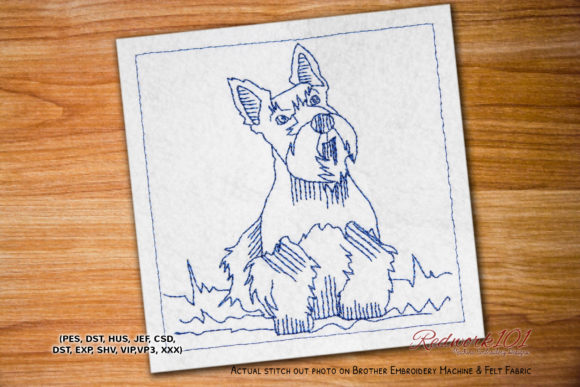
Scottie Dog carries a sweet, handmade feel with just enough detail to feel complete without becoming overly dense. The Scottish Terrier shape is iconic, and the design captures the breed's characteristic beard, sturdy stance, and alert ears. The emotional appeal here is strong for anyone who has owned a Scottie or appreciates classic dog breeds. It reads as loyal, spirited, and a little dignified. For a personalized gift, that combination is gold. Whether you are stitching it for a grandmother who adores her Scottie or a new baby's nursery themed around woodland or heritage animals, this design bridges generations. It does not feel trendy in a way that will date quickly. Instead, it feels like a timeless piece of handmade product artistry.
The optional Box Stitch is worth noting. In the product details, the outer box color is described as typically different from the design itself unless it is part of the motif. You can skip that box color directly if you prefer a cleaner look. In my tests, I found that stitching Scottie Dog without the box works beautifully on small items like embroidered towels or pillow covers, while adding the box gives a finished, framed look that suits blanket embroidery or wall art. This flexibility makes the design adaptable to different product lines without extra editing work.
Best Uses for Personalized Gift Products
From my planning notes, here is where Scottie Dog shines across a range of gift categories:
- Baby embroidery and nursery decor – A Scottie Dog in soft gray or cream thread on a pastel baby blanket feels both whimsical and heirloom. The design's moderate detail level works well on cotton muslin, flannel, or bamboo fabric blends. For a baby embroidery order, consider pairing it with the child's name or birth date in a simple script.
- Wedding gifts and family keepsakes – Couples who own a Scottie together will adore a custom pillow cover or embroidered towel set featuring their dog's likeness. The design's classic silhouette elevates it beyond a casual pet portrait into something suitable for a wedding registry or anniversary gift.
- Personalized towels and kitchen linens – Scottie Dog stitches nicely on terry cloth and flour sack towels when you use proper stabilization. A set of two towels with the design and a monogram makes a ready-to-ship gift set for dog-loving hosts.
- Tote bags and aprons – For craft fairs or Etsy listings, a sturdy cotton tote with Scottie Dog in a contrasting thread color is an approachable, affordable gift item. Aprons with this design appeal to home bakers and grill masters who adore their pets.
- Custom order previews – Because the design has a clear silhouette, it photographs beautifully. You can create printable mockup images for your shop listings, showing the design on different product backgrounds. This helps buyers visualize the finished product before purchasing, which increases buyer engagement and customer trust.
For digital product sellers who offer machine embroidery design files, Scottie Dog is a strong addition to a breed-specific bundle. It is recognizable enough to attract breed enthusiasts but classic enough to appeal to general gift shoppers.
Where to Use This Design With Care
No design is perfect for every surface, and Scottie Dog has a few considerations that I always check during product planning:
- Small lettering or delicate details – If you plan to add text near the design, make sure your lettering is at least 6-8mm tall. The Scottie's beard and legs have fine detail areas that could visually crowd small script. Give the design breathing room.
- Textured fabric – On heavy textures like thick towel terry or boucle, the detail in the Scottie's face may need a water-soluble topper to keep stitches crisp. Test a sample before offering as a standard option.
- Stretchy baby clothes – Onesies or knit garments require a cutaway stabilizer and careful hooping to prevent distortion of the Scottie's shape. The design has moderate stitch density, so it pulls fabric slightly if not stabilized well.
- Curved surfaces – On the curve of a baby bib or a small hat, the design may pucker at the corners if the frame is included. Test without the Box Stitch on curved products for a smoother result.
- Dark fabric – Scottie Dog is traditionally stitched in a dark color like black, charcoal, or deep gray. On dark fabric, you will need a light thread for contrast or a dense underlay to prevent the fabric from showing through. I always compare light and dark fabric mockups before approving a final design for dark goods.
- Frequent washing items – For kitchen towels, baby blankets, or apron products, use a good quality stabilizer and trim excess closely. I recommend a tear-away or wash-away stabilizer depending on fabric type to keep the design looking fresh after repeated laundering.
If you offer custom embroidery, be upfront with customers about which products this design works best on. That honesty builds perceived value and reduces the chance of returns or disappointment.
How Scottie Dog Elevates Giftability and Customer Trust
In my experience, the best personalized gift designs are those that tell a story without needing explanation. Scottie Dog does exactly that. When a customer sees it on a mockup or finished product, they instantly picture the dog lover in their life. That emotional connection is what drives sales in a small shop. For handmade sellers and craft fair vendors, having a breed-specific design like this in your portfolio signals that you pay attention to detail and understand your audience. It elevates your brand from a general embroidery shop to a thoughtful gift destination.
The design also performs well in product photography. Its clear silhouette and optional box frame create natural visual boundaries that frame well in square listing photos. For Etsy sellers, this means less time staging and more time focusing on stitching. I have found that listings featuring Scottie Dog on a neutral background with a simple prop, such as a sprig of lavender or a cup of tea, generate warm engagement from buyers who appreciate the handmade aesthetic.
From a commercial perspective, the design's moderate detail and optional outer box mean you can offer multiple variations: with or without the frame, in different thread colors, and on different product bases. This variety increases your catalog without requiring additional embroidery file purchases. For small shops, that kind of versatility is valuable.
Practical Embroidery Notes Before You Stitch
Before you commit Scottie Dog to a customer order, here is my standard checklist that I run for every new design:
- Test on scrap fabric – Always stitch a sample on the exact fabric you plan to use for the finished product. Note how the design behaves on cotton, terry, denim, or fleece. Adjust thread tension if needed.
- Check thread color contrast – The design relies on silhouette recognition. Use a thread color that stands out against your base fabric. For light fabric, try charcoal, navy, or black. For dark fabric, consider white, cream, or a bright accent color.
- Confirm hoop size – Verify that the design fits comfortably within your hoop with enough margin for fabric movement. If using the Box Stitch, allow extra room so the entire frame stitches cleanly.
- Review stitch density – The design has moderate density. If you are stitching on delicate or lightweight fabric, reduce density if your software allows, or use a lighter-weight stabilizer to prevent distortion.
- Use proper stabilizer – For stable fabrics like cotton or linen, a tear-away stabilizer works well. For stretchy or loosely woven fabrics, choose a cutaway stabilizer to maintain shape over time. A water-soluble topper helps keep the Scottie's beard and leg details crisp on textured surfaces.
- Compare light and dark fabric mockups – Create two sample stitches, one on light fabric and one on dark. Evaluate which version looks more professional and which matches your customer's expectations. Adjust your listing photos accordingly.
- Check small details after stitching – Examine the Scottie's ear shape, beard lines, and leg outlines. If any area looks distorted or overly dense, re-run the test with adjusted settings. Small details matter for commercial embroidery quality.
- Confirm commercial licensing – Before selling finished products featuring Scottie Dog, verify the licensing terms from the design source. Most machine embroidery designs allow you to sell physical items, but confirm that you are covered. If you sell the digital file itself, ensure you have the appropriate reseller rights.
One final note about the Box Stitch: in my testing, I found that skipping the outer box color simplifies the design for small products and reduces stitch count. If the box is not essential to your customer's vision, leaving it out can speed up production and lower thread usage. However, for items like pillow covers or framed hoops where a border adds structure, the box is a lovely finishing touch. Let the product dictate your choice.
Scottie Dog is a design that balances charm with practicality. For any embroidery maker or gift shop owner looking to add a breed-specific option to their catalog, it delivers a strong emotional hook and reliable stitching performance. When you pair it with thoughtful product choices and proper stabilization, it becomes a finished product that customers cherish and recommend. That is the kind of design that builds a loyal shop following.