Newfoundland Dog Breed Redwork: A Designer's Review
When I first opened the Newfoundland Dog Breed Redwork design file, I immediately recognized its potential for a premium sweatshirt drop. As someone who has reviewed hundreds of machine embroidery designs for boutique apparel projects, this piece struck me as both understated and deeply characterful. The redwork style brings a heritage feel that suits the Newfoundland breed's gentle, working-dog history. For any small clothing brand or Etsy seller looking to create a limited run of embroidered hoodies, this embroidery file offers a refined starting point that balances decoration with wearability.
First Impressions and the Redwork Aesthetic
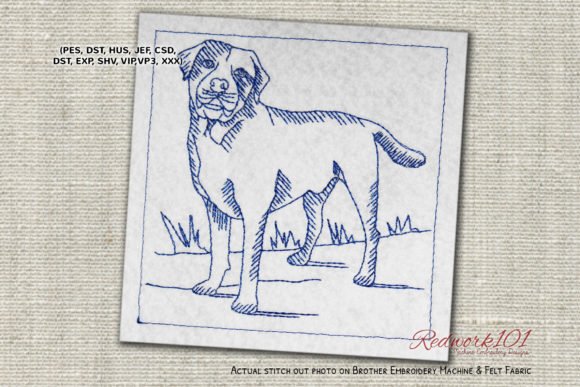
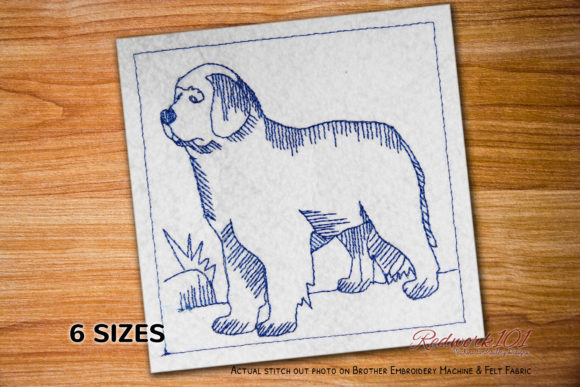
The Newfoundland Dog Breed Redwork design leans into the classic redwork tradition—single-color stitching that relies on clean lines and thoughtful negative space. The mood is rustic yet refined, with a quiet confidence that does not scream for attention. The layout appears well proportioned for chest placement on an adult hoodie, though it could also work as a centered back design or a subtle sleeve accent depending on the garment cut. The outline of the Newfoundland dog is rendered with enough detail to capture the breed's characteristic heavy coat and sturdy build, without overwhelming the fabric with dense stitching.
What stands out to me is the stitching personality: it feels hand-drawn rather than rigidly digitized. That quality matters when you are selling a handmade product to buyers who value artisan touches. The redwork approach keeps the design minimal enough to pair with textured fabrics, yet detailed enough to hold visual interest from a few feet away. For a boutique brand that wants to communicate warmth and authenticity, this design supports that narrative without extra embellishment.
Placement Options for Sweatshirt Embroidery
When I evaluate a design for sweatshirt embroidery, I think about where it will land on the body and how it interacts with the garment's proportions. The Newfoundland Dog Breed Redwork design is versatile enough for several placement strategies:
- Chest placement – Centered on the left chest or full center front, this is the most traditional approach. On an oversized hoodie, a slightly larger scale keeps the design from feeling lost.
- Sleeve accent – A smaller version running vertically along the outer sleeve gives a modern, editorial feel. This works especially well for unisex or gender-neutral apparel.
- Back design – Scaled up, the redwork Newfoundland dog becomes a statement piece across the upper back. Because redwork uses thinner lines and lower stitch density, it remains breathable and comfortable even in a larger format.
- Yoke or shoulder blade – Placed high on the back between the shoulder blades, the design serves as a subtle signature element for limited drops.
For a small shop product, I recommend testing the embroidery file on a sample garment before committing to bulk production. The optional box stitch mentioned in the description gives you flexibility: you can frame the dog with a border for a more structured look, or skip it entirely for a floating, organic appearance. I personally prefer skipping the box on neutral sweatshirts because the open layout feels more modern and less like a patch.
Fabric and Color Considerations
Redwork designs thrive on contrast, and the Newfoundland Dog Breed Redwork is no exception. On a dark fabric—think charcoal, forest green, or navy—the thread color should pop. Classic red is the obvious choice, but I have seen this style work beautifully with gold, cream, or even a soft rust tone for a vintage feel. Pastel sweatshirts, such as blush or sky blue, can handle a darker thread for a playful but sophisticated contrast. If your boutique brand leans toward earthy neutrals like oatmeal or heather grey, a rich brick-red or deep burgundy thread will give the design warmth and depth.
The description notes that the outer box color can differ from the main design, and that you can skip that color entirely. This is a practical detail for custom apparel production. If you are working with a limited thread palette or want to reduce color changes during embroidery, leaving out the box simplifies the process without diminishing the design's impact. I always advise small shops to test thread colors against the actual fabric texture before stitching production units, because thread sheen and fabric nap can shift how a color reads in person.
Practical Production Concerns
Every experienced embroiderer knows that a beautiful digital embroidery file does not guarantee a beautiful finished product. The Newfoundland Dog Breed Redwork design raises a few practical points worth checking before you load it into your machine:
- Stitch density – Redwork generally uses lower density than filled designs, which is good for maintaining fabric softness. However, confirm that the file is not under-stitched in areas where the dog's coat needs definition. Thin, wispy lines can become invisible on textured fleece.
- Fabric thickness – Sweatshirt fleece and French terry have give. A design with too many tie-ins or jump stitches can cause puckering. I recommend a mid-weight cutaway stabilizer to keep the stitches crisp on stretchy fabrics.
- Hoop size – Check the required hoop size for the largest version of this design. If you are using a multi-needle machine, this is less of a concern, but for single-needle users, make sure the design fits your largest hoop without needing to re-hoop.
- Small-size readability – If you plan to offer youth sizes or cropped sweatshirts, test the design at a reduced scale. The fine lines of redwork can become muddy if shrunk too much. A minimum stitch width of around 2–3 mm per element helps preserve clarity.
- Washing durability – Redwork is generally durable because there is less thread mass to abrade. Still, use a high-quality polyester thread and instruct customers to wash inside out on cold. Offering care guidance builds buyer trust and reduces returns for your handmade product.
I also recommend checking the file format compatibility with your embroidery system. The description does not specify format, so if you are a digital seller or Etsy shop owner listing this design, be clear about what embroidery file types you support. Buyers appreciate knowing whether the file works with their specific machine brand.
Business Value and Brand Identity
Adding the Newfoundland Dog Breed Redwork to a limited sweatshirt drop can elevate the perceived value of your collection. Redwork has a historical association with American folk embroidery, which gives it a nostalgic, trustworthy quality. For a boutique brand targeting dog lovers or outdoor enthusiasts, this design aligns well with a lifestyle of loyalty, strength, and quiet companionship. It is not a loud, cartoonish dog graphic—it is a subtle homage that owners will recognize and appreciate.
From a marketing standpoint, the design photographs beautifully for printable mockup and lifestyle shots. The single-color stitching reads clearly in product photos, even at thumbnail size, which is critical for Etsy listings and social media promotions. You can pair it with neutral backdrops, autumn leaves, or cozy blanket scenes to reinforce the seasonal, comfortable vibe. Design assets like these help small shops create a cohesive visual brand without needing a full graphic design team.
For commercial embroidery runs, the design also supports quick turnaround. Fewer thread changes mean less downtime between pieces, which matters when you are fulfilling a small batch for a limited drop. The optional box stitch gives you a second variation without needing a separate file, effectively doubling your product offering with minimal extra work.
Final Thoughts on the Newfoundland Dog Breed Redwork
As a designer who prepares machine embroidery design files for boutique production, I appreciate when a piece leaves room for the maker's touch. The Newfoundland Dog Breed Redwork does exactly that. It gives you a strong foundation—a recognizable, beloved dog breed rendered in a timeless stitch style—while letting you decide on thread color, border inclusion, scale, and placement. That flexibility is gold for a small shop product where every unit needs to feel intentional.
Before you stitch your first hoodie, confirm the hoop size, stitch density, and file format details with your supplier or digitizer. Test on a swatch of your actual garment fabric so you can see how the redwork settles into the weave. If the design passes those checks, you are looking at a finished product that will resonate with customers who value quality, authenticity, and a subtle nod to the dogs they love. For a limited sweatshirt drop, that combination is hard to beat.