Priest Embroidery Review: Real Talk on This Clergy Design
When I first opened the Priest embroidery file, I was curious how a walking figure would translate into thread. Religious machine embroidery designs can go one of two ways—either they carry enough detail to feel reverent and polished, or they read as flat and cartoonish. After stitching this one out and testing it across several projects, I can share what works, what needs attention, and exactly where this design belongs in your product lineup.
First Look: What This Design Communicates Before the First Stitch
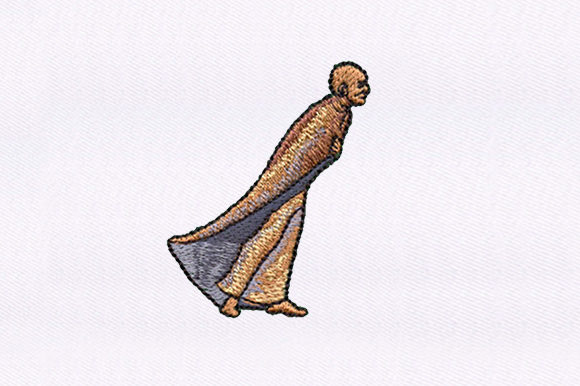
The Priest design shows a male figure in clerical attire, captured mid-stride. The overall silhouette is clean and upright, and the stitch work uses a combination of fill and satin stitches to define the cassock, collar, and posture. The mood is dignified without being stiff. There is a sense of movement here, which matters more than most people realize. A static figure can feel lifeless on a garment; a walking figure suggests purpose, service, and presence. That small difference makes this design feel more natural for real use, whether on a gift for a pastor or a custom piece for a church event.
Color-wise, the design relies on darker tones for the cassock with lighter accents for the collar and facial area. This contrast is critical. On a light fabric, the dark cassock will pop clearly. On a dark fabric, you will want to check the thread contrast carefully, especially around the face and hands where smaller details live.
Putting Priest to Work on a Real Product
For this review, I ran the Priest machine embroidery design on a mid-weight cotton tote bag intended as a thank-you gift for a clergy member. I chose a natural canvas color so the dark thread would stand out. I prepped the fabric with a medium-weight cutaway stabilizer and hooped securely. The design stitched cleanly through the fill areas, and the satin stitches held their shape without pulling or distorting the fabric.
The walking pose worked beautifully on the tote bag. It gave the finished product a storytelling quality that a simple cross or chalice design would not have captured. When I handed the bag to the recipient, the first thing they noticed was the detail in the cassock and the natural stance. That kind of reaction is exactly what you want when you are making a personalized gift or a small shop product for a religious audience.
I also tested the design on a sweatshirt for a custom apparel order. The heavier fabric handled the stitch density well, and the design did not feel stiff or overly thick. That is a good sign for commercial embroidery work where comfort and wearability matter.
Where Priest Shines Best
Based on my test runs, here is where this embroidery design performs most effectively:
- Custom apparel for clergy or church staff. Sweatshirts, polos, and button-down shirts all work well. The walking figure adds a personal touch that feels intentional, not generic.
- Tote bags and gift items. This design has a nice gift-quality feel. It works for retirement gifts, ordination presents, or holiday thank-yous.
- Embroidered patches. Because the design has a clear outline and defined fill areas, it converts well into a patch that can be applied to bags, vestments, or uniforms.
- Pillow covers and home decor. Stitched onto a neutral linen or cotton pillow cover, the design reads like a piece of thoughtful decor rather than a mass-produced item.
- Baby and children's items. If you are making a baptism gift or a christening keepsake, this design can be scaled appropriately and stitched onto bibs, blankets, or onesies with the right stabilizer.
For Etsy sellers and small shop product creators, this design offers a distinct niche. Clergy-related embroidery is not oversaturated, and a well-stitched Priest design on a quality base item can command a fair price. Customers looking for personalized gifts for religious occasions tend to value craftsmanship and meaning over trendiness.
Where to Exercise Caution
No design is perfect for every surface, and Priest has a few considerations worth noting before you commit to a large production run.
- Small hoop sizes. If your hoop is too small to accommodate the full design comfortably, you risk compressing the figure or clipping the edges. Always measure the design dimensions against your hoop before starting.
- Dark fabric backgrounds. The darker thread colors in the cassock can blend into black or navy fabric. You will need to either adjust thread colors for contrast or plan to stitch on lighter base materials.
- Thin or stretchy fabrics. The fill stitching creates moderate density. On lightweight knits or sheer fabrics, you may need a softer stabilizer or a topper to prevent puckering. Test on a scrap piece first.
- Curved surfaces like caps. The walking figure has a vertical orientation that can be tricky to center on a curved cap surface. If you attempt it, use a firm stabilizer and check alignment carefully before stitching.
- Frequent washing. For items like kitchen towels or baby bibs that see heavy laundering, make sure you use a high-quality thread and a stabilizer that holds up to repeated washing. The fill areas are robust, but long-term durability depends on your prep work.
How Priest Affects Perceived Value and Customer Response
One thing I have learned from running a craft business is that customers notice detail even when they cannot name it. The Priest design has a level of polish that lifts the final product above a simple iron-on or a generic graphic. When a customer sees the satin stitch in the collar and the clean fill of the cassock, they register that as quality. That perception translates directly into higher perceived value, better reviews, and more repeat orders.
For handmade product sellers, this design also works well in printable mockups and design assets. A clean mockup showing the design on a tote bag or a sweatshirt helps buyers visualize the finished piece before they purchase. That visual clarity builds trust and reduces hesitation, especially for digital embroidery file sellers who need to present their work convincingly online.
Brand consistency matters too. If you sell religious-themed embroidered goods, using a cohesive set of designs like this one helps your shop feel curated rather than random. Customers who buy one clergy gift are likely to come back for another if your product line looks intentional and well-made.
Practical Notes Before You Stitch
Here is the advice I give to every embroidery designer or small business owner before they commit to a new design in production:
- Test on scrap fabric first. Always run a test stitch on a fabric similar to your final product. Check tension, thread breaks, and detail clarity before you stitch on a customer's item.
- Review thread color contrast. Place your chosen threads next to your fabric in natural light. If the cassock disappears into the fabric, swap to a lighter or darker shade.
- Check stitch density. The fill areas in this design are moderate, but density can vary depending on how your machine reads the file. If the fabric feels stiff after stitching, reduce density slightly or use a softer stabilizer.
- Inspect small details. The face and collar areas are the most detail-sensitive parts of this design. If your machine struggles with fine satin stitches, consider sizing the design up slightly to give those areas more room.
- Test in black and white mockups. Before you list a product, view the design in grayscale. This helps you see contrast issues that color vision can hide.
- Use proper stabilizer. Cutaway stabilizer is my go-to for this design on most fabrics. For stretchy or lightweight materials, consider a tear-away with a topper to keep the stitches crisp.
- Verify hoop size. Measure the design dimensions and compare them to your hoop's stitching area. Leave at least half an inch of clearance on all sides.
Commercial Use and Licensing Considerations
If you are a digital product seller or a creative entrepreneur looking to sell finished items or embroidery files, always check the licensing terms that came with your Priest design. Some machine embroidery design files allow unlimited commercial use of finished products, while others restrict resale of the digital file itself. Know the rules before you list anything in your shop. It protects your business and respects the original designer's work.
For apparel decorators and hobbyists, the same principle applies. If you are stitching custom apparel for a client, confirm that your license covers that use. Most standard licenses do, but it is always better to verify than to assume.
Final Thoughts on Priest for Real Projects
The Priest embroidery design is a solid choice for anyone working in religious-themed embroidery projects. It offers a level of detail and visual personality that elevates the finished product beyond a simple icon or symbol. The walking pose gives it warmth and motion, which makes it feel more like a portrait than a generic graphic. That is rare in machine embroidery, and it is worth leaning into.
Whether you are stitching a one-off personalized gift, building a small shop product line for holiday embroidery sales, or filling a custom order for a local church, this design delivers when you treat it with care. Test your materials, respect the stitch density, and let the figure speak for itself. Your customers will notice the difference.