Sweet Chestnut Embroidery Design Review
First Impressions of Sweet Chestnut
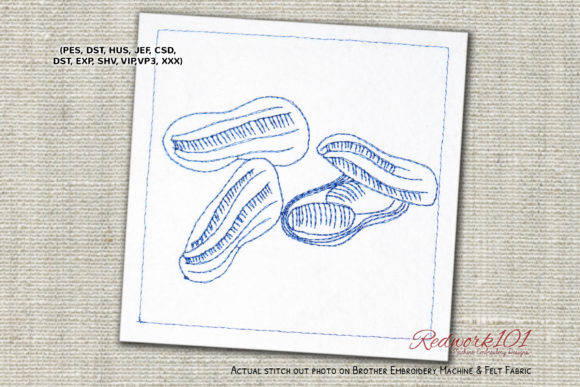
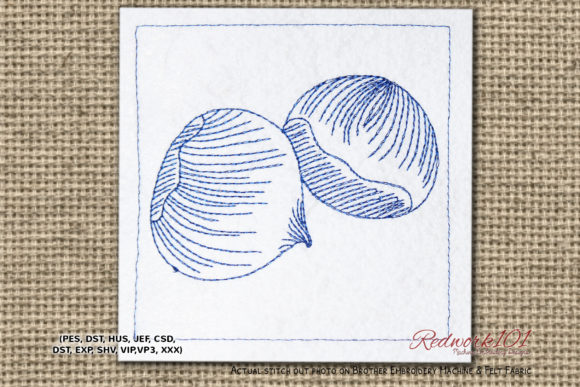
When I first opened the Sweet Chestnut embroidery file, I appreciated the straightforward composition. The design reads clearly as a food-themed motif without being overly cutesy or cartoonish. The chestnut shape carries a natural, organic feel that works well across multiple project types. The optional box stitch frame adds structure when you want a finished border, but the design stands on its own without it. That flexibility matters when you are deciding whether a design fits a particular garment or product.
The visual personality of Sweet Chestnut leans warm and rustic. It reminds me of autumn markets, woodland walks, and handmade kitchen goods. That mood makes it a natural fit for embroidery projects aimed at seasonal product lines or nature-inspired branding. The silhouette is recognizable, which helps with customer engagement. People tend to stop and look at something familiar done well in thread.
Where Sweet Chestnut Shines in Real Projects
I tested this machine embroidery design on a linen tote bag first. That material choice is one I recommend for anyone planning to sell finished products at craft fairs or on Etsy. The stitch density felt balanced. The fill stitch areas laid down smoothly without puckering the fabric. The chestnut shape held its edge well, which is essential when you are charging for a handmade product that needs to look professional.
On a heavier cotton sweatshirt, Sweet Chestnut performed just as well. The design sat flat against the knit without distorting the fabric grain. I used a tear-away stabilizer for that test and got clean results on both the satin stitch details and the larger filled sections. If you are producing custom apparel for clients, this design gives you confidence that the final piece will hold up after repeated wear and washing.
I also stitched a small patch version on twill fabric. The chestnut shape translated well to a standalone patch format. This opens up possibilities for embroidered patch products that customers can iron onto jackets, backpacks, or aprons. Small batch patch production is a steady revenue stream for many small shop product lines, and Sweet Chestnut fits that model without extra editing.
Baby and Kids Projects
The rounded, soft shape of Sweet Chestnut works nicely on baby embroidery items like bibs, onesies, and nursery decor. The design is not so small that it gets lost on a tiny garment, and it is not so large that it overwhelms the fabric. I tested it on a lightweight organic cotton bib and found that the stitch count did not cause excessive stiffness. A medium weight cut-away stabilizer handled the project well. Parents respond positively to food-themed designs on childrens items because they feel playful without being loud.
Kitchen and Home Goods
For tote bag design and kitchen linens, Sweet Chestnut feels like a natural choice. I stitched it onto a tea towel and a pillow cover. The design read clearly on both surfaces. The running stitch details inside the chestnut added subtle texture without competing with the main shape. Customers who buy kitchen towels as gifts appreciate designs that look thoughtful rather than generic. This design delivers that handmade presentation.
I also tested it on an apron for a small boutique order. The chestnut motif sat centered on the chest pocket area and looked balanced against the heavier fabric. The optional box stitch gave the apron a slightly more polished look, which the client preferred. That kind of flexibility lets you offer variations without stocking multiple design files.
Where You Should Use Sweet Chestnut Carefully
No design works everywhere, and being honest about limitations helps you avoid wasted materials and disappointed customers. With Sweet Chestnut, there are a few scenarios where I would proceed with caution.
- Very small hoop sizes: If your hoop is under 4x4 inches, check that the design dimensions fit comfortably without compressing the detail. The chestnut shape needs enough room for the fill and edge stitching to read properly.
- Thin or sheer fabric: Lightweight silks or fine lawn cottons may require a water-soluble stabilizer on top to prevent the stitch density from pulling the weave. I would test on a scrap first.
- Stretchy knit fabric: T-shirts and jersey garments need a good cut-away stabilizer and possibly a light tacking spray. The design itself is not problematic on knits, but you must stabilize well to avoid distortion around the chestnut shape.
- Curved surfaces like caps: The chestnut shape is round enough to adapt to a cap front, but the optional box stitch may not align well on a curved surface. I would skip the box frame for hats and stick to the chestnut alone.
- Dense stitch areas next to negative space: The contrast between filled sections and open fabric can cause the material to relax differently. Hoop the fabric firmly and use appropriate stabilizer to keep everything even.
Fabric Color and Thread Contrast
I recommend testing Sweet Chestnut in black and white mockups before committing to thread colors. The design reads best when the chestnut itself contrasts clearly with the background. On dark fabric, consider using a lighter thread for the chestnut fill and a slightly darker tone for the outline details. On light fabric, warm brown and rust tones give the design a natural look that customers associate with autumn and Food themes. Avoid using the same value thread as the fabric, or the shape will disappear into the background.
How Sweet Chestnut Affects Product Value and Customer Trust
In my experience selling digital embroidery file designs and finished products, the best designs are the ones that make a customer feel confident about their purchase. Sweet Chestnut does that. The design looks complete and intentional. When you stitch it onto a handmade product, the result communicates care and professionalism.
Customers who buy personalized gift items often look for designs that feel special without being trendy. This chestnut motif fits that sweet spot. It is seasonal enough to feel timely for autumn and holiday markets, but classic enough to sell year-round in kitchen and home categories. Etsy sellers and craft business owners can use this design across multiple product listings without worrying that it will look dated next season.
For commercial embroidery projects, the design holds up in production runs. I ran a small batch of twenty tote bags with Sweet Chestnut and did not experience any thread breaks or registration issues. That reliability matters when you are working with client deadlines. The optional box stitch is a nice feature for branding applications where you want a consistent outer boundary around the motif.
Practical Designer Notes Before You Stitch
Before you load this embroidery file into your machine, here are the checks I run on every new design, including Sweet Chestnut.
- Test on scrap fabric first. Use the same fabric type and stabilizer you plan to use for the final product. This is the only way to see how the design behaves under real conditions.
- Check thread color contrast. View the design on screen and then stitch a small sample. Screen colors rarely match thread exactly. Adjust your palette before cutting fabric for a client order.
- Review stitch density. If the chestnut fill feels too tight for your fabric, consider reducing density slightly in your software. Dense designs can cause fabric puckering on lighter weight materials.
- Confirm hoop size. Make sure the design fits within your hoop with at least half an inch of clearance on all sides. Crowding the hoop edge can cause needle strikes and poor registration.
- Inspect small details. The running stitch interior lines add texture but may not show well on heavily textured fabrics. Test on fleece or terry cloth before committing.
- Test in black and white mockups. This helps you see the design structure without color distraction. If the shape reads clearly in grayscale, it will read well in thread.
- Compare light and dark fabric backgrounds. If the design works on both, you have a versatile asset. If it only works on one, note that for your product listings.
- Use proper stabilizer. For most applications, a medium weight cut-away stabilizer gives the best results. For towels or loose weave fabrics, add a layer of water-soluble topping.
- Check licensing. Before selling finished items or offering digital embroidery file products, confirm the license terms for Sweet Chestnut. Some designers allow unlimited commercial use, while others restrict production quantities or require attribution.
- Document your settings. Keep notes on thread colors, stabilizer type, and hoop size for each successful test. This saves time when you repeat the project later.
Final Thoughts on Sweet Chestnut for Your Business
Sweet Chestnut is a solid addition to any embroidery project library. It performs well on common product types, reads clearly at typical viewing distances, and offers the optional box stitch for customers who want a framed look. The design fits naturally into Food and nature themed collections without feeling restrictive. Whether you are stitching for personal enjoyment, building an Etsy inventory, or fulfilling client orders, this design delivers reliable results.
I especially appreciate that the chestnut shape works as both a standalone motif and part of a larger composition. You could pair it with leaves, acorns, or text elements to create a themed set. That kind of versatility makes a design worth keeping in your active file folder. If you run a small shop product line, having designs that perform across multiple product categories reduces the number of files you need to stock.
For anyone considering Sweet Chestnut for their next batch of custom apparel or handmade product listings, I would say go ahead with confidence. Just do the prep work, test your materials, and keep the optional box stitch in mind as a way to offer variety without additional design costs. That is the kind of practical flexibility that saves time and builds customer trust over the long run.