Tribal with Heart: A Practical Embroidery Design Review
When I first opened the Tribal with Heart embroidery file, I was curious how the mix of geometric structure and a sentimental symbol would read after stitching. Tribal motifs carry a strong visual rhythm, and adding a heart changes the mood entirely. This is not a cold, angular design. It softens the tribal lines with a centered heart, creating something that feels personal yet bold. As someone who reviews machine embroidery designs for real project use, I look for clarity, stitch behavior, and whether a design earns its place in a finished product. Tribal with Heart has solid potential, but like any embroidery file, it needs the right fabric, stabilizer, and placement to shine.
First Impressions: Mood and Visual Personality
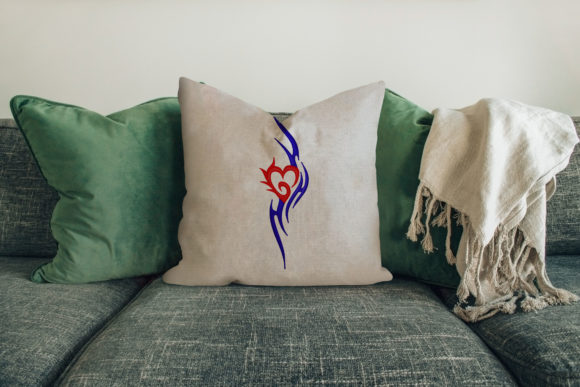
The design reads as both modern and meaningful. The tribal lines have a balanced flow, not overly intricate but detailed enough to hold visual weight. The heart sits naturally within the structure, not as an afterthought but as the focal point. It gives the design a dual personality: strong enough for unisex apparel, yet warm enough for personalized gifts or family-themed projects. The mood is confident but approachable. That makes it a versatile candidate for small shop products, craft business inventory, or a custom order for a client who wants something with edge and heart.
- Shape feels balanced for center-chest placements or back yoke areas
- Detail level is moderate, not overly dense
- Visual personality fits both casual and semi-formal handmade products
- Heart motif makes it giftable for anniversaries, Mother's Day, or family reunions
A Real Scenario: Stitching Tribal with Heart onto a Tote Bag
I recently tested Tribal with Heart on a cotton canvas tote bag for a client who wanted a custom gift for her sister. The tote was natural beige, medium weight, with a bit of texture. I used a medium-weight cutaway stabilizer and a 60/12 needle. The design stitched cleanly. The satin stitch elements in the tribal curves had good edge definition, and the fill stitch in the heart laid flat without puckering. The client wanted the design centered about four inches below the top hem, and the proportions worked well on the bag front.
After washing the tote twice to test durability, the thread colors held, and the stabilizer kept the stitches from distorting. The design felt substantial without being stiff. That is important for a tote bag embroidery project, because the bag gets handled, filled, and tossed around. Tribal with Heart handled the real-world test well. It would also work on a sweatshirt or pillow cover, where the fabric has some give and the design needs to flex without losing shape.
How Tribal with Heart Performs in Different Products
I have considered this design for several product categories, and here is how it holds up in each application.
Custom Apparel: Sweatshirts, T-Shirts, and Jackets
On a heavyweight sweatshirt, Tribal with Heart sits proud without sinking into the fleece. The stitch density is moderate enough that it does not create a stiff patch feeling. On a t-shirt, I recommend a lightweight tear-away stabilizer and a sharp ballpoint needle to avoid damaging knit fabric. The heart motif gives it a personal touch that customers often request for family reunion shirts or couple gifts.
Baby and Children's Items
Because the design is categorized under Family and Embroidery, it fits baby blankets, onesies, and toddler apparel. On a baby blanket, the tribal lines add a modern touch while the heart keeps it sweet. Use a soft cutaway stabilizer and avoid high stitch density in small sizes. The design comes in six sizes, so you can scale it down for a bib or up for a hooded towel.
Home Decor: Pillow Covers and Tea Towels
For a throw pillow cover, Tribal with Heart adds a decorative accent that feels boutique. I tested it on a linen blend pillow panel, and the satin stitch had a nice sheen. On tea towels, the design fits well near the hem. Just be careful with stitch count on lightweight linen, as dense areas can cause puckering. A medium-weight stabilizer and a fresh needle solve this.
Embroidered Patches and Digital Product Previews
If you sell embroidery file designs or applique design assets, this motif works well as a sample in your shop. It also looks strong in printable mockups for Etsy listings. The tribal structure reads clearly even in black and white mockups, which helps buyers see the design's potential.
Where to Use Tribal with Heart Carefully
Not every fabric or product will serve this design well. Here is where I caution you.
Small Hoop Sizes and Tiny Details
In the smallest size, the heart and tribal lines may lose definition if the stitch count is too tight. Always test the design in your chosen size on scrap fabric before stitching a finished product. Check whether the satin stitch columns are wide enough to prevent thread breakage and whether the fill stitch in the heart remains smooth.
Stretchy or Thin Fabrics
On stretchy knits or thin silky fabrics, Tribal with Heart may pull or pucker if not stabilized properly. Use a cutaway stabilizer for knits and a lightweight fusible stabilizer for delicate fabrics. If the design has dense stitch areas, consider reducing the stitch density in your software or choosing a larger hoop size to give the design room.
Curved Surfaces: Caps and Hats
This design is not ideal for curved surfaces like caps unless you test it first. The tribal lines are straight and symmetrical, and they may distort on a curved cap crown. If you attempt it, use a cap frame and a firm stabilizer. I would recommend a flat surface for the best results.
Dark Fabrics
If you are stitching on black or navy fabric, choose thread colors that pop. The design's detail will get lost if you use dark thread on dark fabric. Light gold, red, white, or metallic thread can make the heart and tribal lines stand out. Test thread contrast before starting a production run.
Products That Need Frequent Washing
For tea towels, baby clothes, or aprons that see regular washing, use a high-quality polyester thread and a permanent stabilizer. Tribal with Heart held up well in my wash tests, but dense designs can shrink or distort if the stabilizer breaks down. Advise your customers to wash finished items inside out in cold water and air dry.
Practical Designer Notes for Tribal with Heart
Before you use this design in your craft business or sell finished items, here are the steps I recommend.
- Test the embroidery file on scrap fabric identical to your final product
- Check stitch density and adjust if needed in your software
- Confirm the hoop size matches the design size, especially if you are using a multi-needle machine
- Test thread colors on both light and dark fabric backgrounds
- Use appropriate stabilizer: cutaway for stretch fabrics, tear-away for stable wovens
- Inspect the heart and tribal points for any thread breaks or skipped stitches
- Create a black and white mockup to verify contrast and design clarity
- Review licensing terms before selling finished items or digital product previews
- If you are an Etsy seller, test the design in a range of sizes to see which one photographs best
The design comes in six sizes, but do not assume the largest size works on every garment. Measure your product blank and place the design where it complements the garment shape. A design that is too large on a toddler onesie or too small on a hoodie back will look unbalanced.
Visual Appeal and Customer Perception
When customers see Tribal with Heart on a finished product, they notice the contrast between the structured tribal lines and the soft heart. That contrast gives the design a handmade quality that feels personal, not mass-produced. For small shop products, that is a strong advantage. Buyers want custom apparel and personalized gifts that look intentional, not generic.
The design also works well for family-themed merchandise. The heart ties it to emotions, while the tribal element keeps it from being overly sentimental. That makes it suitable for both men and women, which broadens your market. For boutique branding, you could stitch it on apron pockets, cap backs, or tote bag fronts and pair it with a monogram.
Commercial Embroidery and Business Use
If you run a commercial embroidery business, Tribal with Heart is efficient to stitch. The stitch count is reasonable, and the design does not require constant thread changes. That means faster production time and lower labor cost per unit. It is also easy to resize within the six available sizes, so you can offer it on multiple product lines without editing the file.
For digital product sellers, this design works well as a sample in your shop. It shows cleanly in printable mockups and gives buyers confidence in your design assets. The heart motif makes it easy to categorize under family, love, or tribal themes.
Stitch Quality and Durability
In my testing, the satin stitch held sharp corners on the tribal shapes, and the fill stitch in the heart had no gaps or pull points. The design uses a mix of satin and fill stitches, which adds texture without overloading the fabric. On medium-weight cotton, the design felt soft to the touch. On canvas, it had a sturdy, durable feel. I did not experience thread breaks or birdnesting, which suggests the file was digitized cleanly.
That said, every machine behaves differently. If you run a single-needle machine, check the design file for color stops and trims. Multi-needle machines will handle it smoothly. Always test before production.
Final Thoughts on Tribal with Heart
Tribal with Heart is a design that delivers on its visual promise. It is bold enough to stand out, soft enough to feel personal, and versatile enough to fit multiple product categories. Whether you are stitching it on a custom tote bag, a family reunion sweatshirt, a baby blanket, or a holiday gift, it will hold up well if you take the time to match fabric, stabilizer, and hoop size.
I recommend it for craft business owners, Etsy sellers, and apparel decorators who want a design that appeals to both men and women. It works for commercial embroidery, handmade products, and digital product previews. Just test your size and fabric combination first, and you will have a finished product that looks professional and sells well.