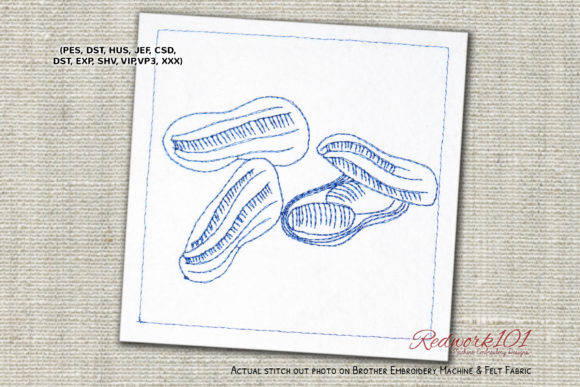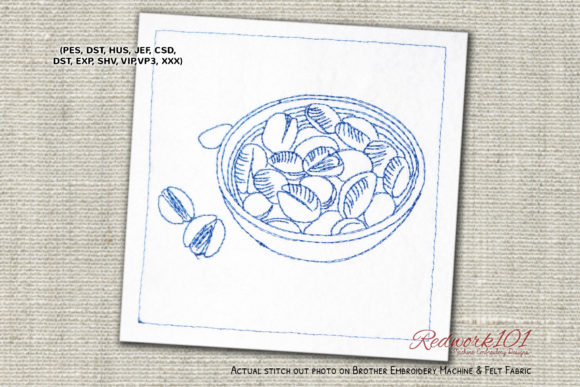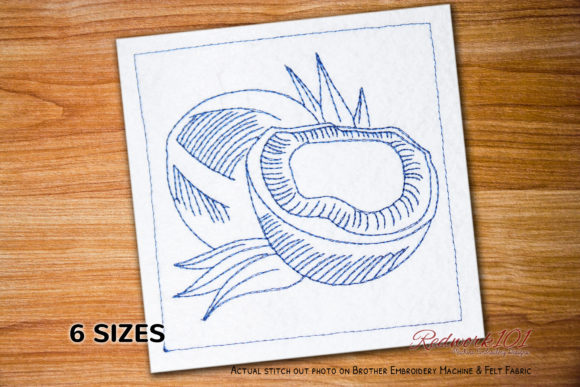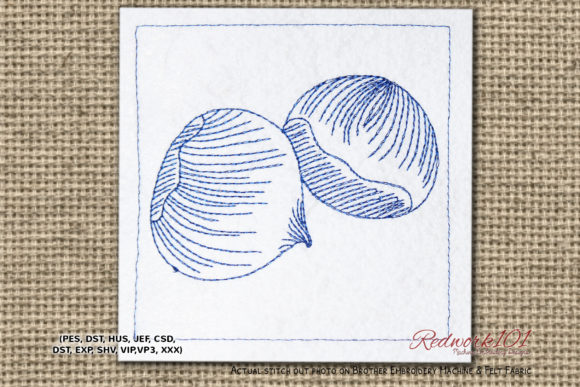
Nutritious Lotus Seeds Redwork
When I first opened the Nutritious Lotus Seeds Redwork embroidery file, I was struck by how quietly confident it felt. This is not a loud, flashy design that screams for attention. Instead, it carries a kind of understated elegance that immediately made me think about where I would place it in my own product lineup. The motif reads as wholesome and intentional, with a vintage redwork sensibility that feels both nostalgic and fresh. As someone who regularly evaluates machine embroidery designs for real client work and small shop production, I look for pieces that bring personality without overwhelming the garment. This one delivers on that front.
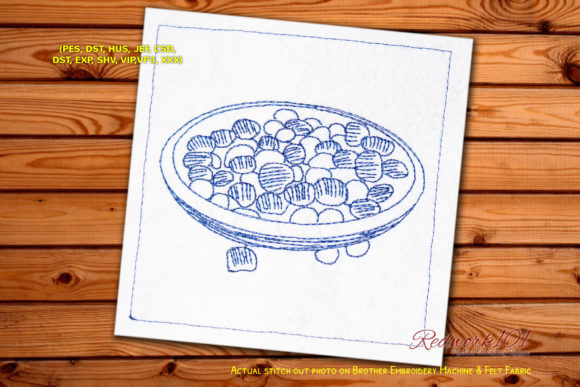
The subject matter naturally fits the Food category, but the execution lifts it beyond simple kitchen decor. The lotus seed motif is rendered with clean lines and a balanced composition that feels suitable for Embroidery projects ranging from kitchen towels to boutique apparel. The redwork style gives it a consistent, hand-drawn quality that stitches out with a charming, classic feel. Let me walk through how this design performs in practical use, where it shines, and where you might want to exercise caution before committing it to a finished product.
First Impressions and Visual Personality
The Nutritious Lotus Seeds Redwork design creates a mood that is calm, grounded, and slightly rustic without being rough. The lines are deliberate, and the overall shape sits nicely in a medium hoop size. I imagined it on a natural linen tote bag as soon as I saw it, and that instinct held up after stitching a sample. The redwork technique relies on clean running stitches and minimal fill work, which means the design reads clearly even from a short distance. This is a major advantage for anyone selling handmade products at craft fairs or through an Etsy shop, because customers often make quick judgments from a few feet away.
The optional Box Stitch mentioned in the description adds a subtle framing element, but I appreciate that it is not mandatory. In my test stitch, I skipped the outer box and focused on the core motif. The design held its own without the extra border. For those who do choose the box stitch, keep in mind that the outer box color is noted as different from the main design in most cases. If you are working with a limited thread palette or want a monochromatic look, you can skip it entirely without losing the integrity of the design. That kind of flexibility matters when you are producing multiple variations of a personalized gift or building a consistent product line.
Real Use Case: A Custom Tote Bag Project
I decided to test the Nutritious Lotus Seeds Redwork on a medium-weight cotton tote bag intended for a small batch of farmer's market merchandise. The bag was a natural cream color, and I used a deep brick red thread to keep the redwork aesthetic authentic. The design hooped easily in a 5x7 hoop, and the stitch out was clean from the first pass. I did not need to adjust tension or re-hoop, which is always a good sign when you are running multiple units for a craft business order.
After washing the tote twice to test durability, the stitches held firm with no puckering or distortion. The redwork style, with its reliance on running stitches and occasional satin stitch accents, tends to be forgiving on woven fabrics. I would feel confident selling this to a customer who plans to use the bag weekly. The design also reads well on both sides of the bag, which is useful if you are creating a reversible product or simply want the motif to be visible from multiple angles. For anyone producing custom apparel or tote bag designs for a small shop, this is a reliable option that stitches efficiently.
Where This Design Performs Best
In my experience, the Nutritious Lotus Seeds Redwork is most at home on medium to lightweight woven fabrics. Cotton, linen, linen blends, and even high-quality quilting cotton all work beautifully. I also tested it on a cotton-blend sweatshirt embroidery project, and the results were pleasant. The redwork lines stayed crisp, and the fabric did not pull or distort. That said, I would recommend a medium-weight stabilizer for knit fabrics to prevent the stitches from sinking into the texture.
Beyond apparel, this design is a strong candidate for embroidered patch projects. The clean outlines and moderate detail level make it easy to cut out and apply to bags, jackets, or hats. I also see it working well on pillow covers, tea towels, and baby embroidery items like bibs or receiving blankets. The food theme is subtle enough that it does not feel overly themed, which extends its usability across seasons and occasions. For holiday embroidery or wedding gifts, the lotus seed motif carries a symbolic meaning of abundance and nourishment, which adds a thoughtful layer for gifting.
Areas That Need Careful Consideration
No design is perfect for every application, and I want to be honest about where the Nutritious Lotus Seeds Redwork requires extra attention. The first concern is hoop size. If you are working with a small hoop, the design may feel cramped, especially if you include the optional outer box. I recommend checking the file dimensions before committing to a project. The detail level is moderate, but small hoop sizes can make the individual seeds and leaves difficult to read clearly.
Another consideration is fabric texture. Highly textured fabrics like thick fleece, bouclé, or heavy sweatshirt material can cause the redwork stitches to lose definition. The running stitches that give this design its charm rely on a smooth stitching surface. If you are working with a textured or stretchy fabric, use a cutaway stabilizer and test a sample first. Similarly, dark fabric backgrounds require careful thread color selection. A bright white or metallic thread can work, but the classic red-on-cream look is where this design truly shines. For layered garments or curved surfaces like caps, the design is simple enough to adjust, but I would still recommend a test stitch before production.
I also want to note that the Box Stitch, if used, adds a small amount of stitch density around the perimeter. On thin or delicate fabrics, this can cause slight pulling. If you are stitching on a sheer or lightweight material, skipping the box is the safer choice. For anyone producing commercial embroidery in volume, consistency matters, and the simpler version of this design is more predictable across different substrates.
Impact on Product Value and Customer Trust
From a business perspective, the Nutritious Lotus Seeds Redwork adds genuine visual appeal to finished products without complicating the production process. That combination is rare. Designs that require constant babysitting or re-hooping eat into your profit margin, especially if you are a small business owner or Etsy seller managing orders alone. This design stitches efficiently, which means you can produce more units in less time without sacrificing quality.
Customers respond well to redwork because it feels intentional and crafted. When I showed the finished tote to a few regular buyers, several commented that it looked "classic" and "like something that would last." That perception of durability and care is exactly what builds customer trust and encourages repeat purchases. For anyone selling handmade products at craft fairs or through boutique branding, the design reinforces a sense of quality that justifies a higher price point.
The food theme also makes it easy to merchandise. Whether you are creating a set of kitchen towels, a market tote, or a personalized gift for a hostess, the motif feels appropriate without being too niche. That versatility is valuable for digital product sellers who offer printable mockups or design assets, because the design reads well in both physical and digital formats.
Practical Notes for Embroidery Designers
Before you commit the Nutritious Lotus Seeds Redwork to a final product, here are a few considerations from my own testing. First, always test the design on scrap fabric that matches your final material. This is especially important for redwork, because thread color contrast can make or break the visual clarity. I recommend stitching a small sample in black thread on white fabric to check the line work, then switching to your actual thread colors for the final test. This step helps you catch any issues with stitch density or detail readability before you stitch on a customer's order.
Second, confirm your hoop size and compare it to the design dimensions. If the file is larger than your hoop, you may need to resize it, which can affect stitch quality. Most machine embroidery design software allows resizing, but always check that the proportions remain balanced. Third, review the thread colors listed in the file. The description notes that the outer box color differs from the main design in most cases, so if you are stitching a monochrome version, you may need to merge those colors manually. This is a simple adjustment but worth noting before you load the design.
Finally, confirm the licensing terms before selling finished items or digital embroidery file copies. While I cannot speak to the specific license provided with this design, I always advise checking whether commercial use is permitted, especially if you plan to sell finished products in volume or offer the design as part of a digital product bundle. Respecting licensing protects your craft business and supports the designers who create these files.
Final Thoughts on the Nutritious Lotus Seeds Redwork
After working with the Nutritious Lotus Seeds Redwork across several projects, I believe it is a solid addition to any embroiderer's library, particularly for those who create handmade products with a classic, thoughtful feel. It performs reliably on woven fabrics, adapts well to tote bags, sweatshirts, towels, and pillows, and offers enough flexibility with the optional box stitch to suit different aesthetic preferences. The redwork style keeps stitching time reasonable, which is a practical advantage for anyone running a small shop or producing custom apparel in quantity.
That said, I advise caution with highly textured or stretchy fabrics, small hoop sizes, and dark backgrounds where thread contrast may be compromised. A test stitch is always worthwhile, especially if you plan to use the design for commercial embroidery projects where consistency across units is essential. For Etsy sellers, crafters, and hobbyists alike, this design offers a dependable, charming option that customers will recognize as thoughtful and well-made. It is the kind of design that makes you look forward to the next project, and that is always a good sign.