Close Up Dried Peanuts Redwork Design
When I first loaded the Close Up Dried Peanuts Redwork Design into my embroidery software for a test run, I was preparing for a busy season of custom orders at my small shop. I needed a design that felt both rustic and heartfelt, something that would work for baby gifts, wedding keepsakes, and kitchen-themed personalized products. After stitching out several samples, I want to share my honest impressions, practical observations, and suggestions for anyone considering this machine embroidery design for their own personalized gift offerings. Whether you are an Etsy seller, a craft fair vendor, or a small shop product creator, this review comes from real testing with customer orders in mind.
A Design That Balances Whimsy and Warmth
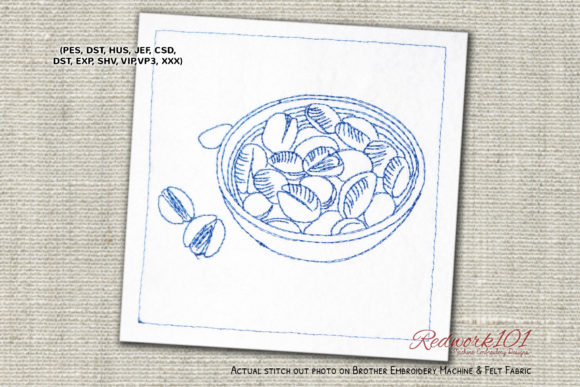
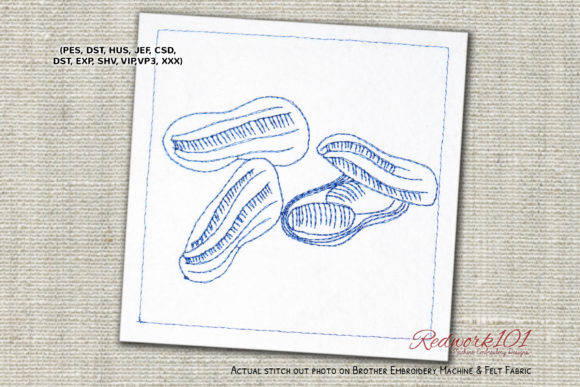
The first thing that struck me about the Close Up Dried Peanuts Redwork Design is its natural, hand-drawn charm. The redwork style gives it a classic folk-art feel that is neither overly modern nor too vintage. It sits comfortably in a sweet, handmade aesthetic that appeals to customers looking for something meaningful. The detail level is moderate, with enough linework to capture the texture of dried peanut shells without becoming fussy. This makes it versatile for a range of custom embroidery projects. The emotional appeal leans toward nostalgic and cozy, perfect for gifts that celebrate family, home, and tradition. I could easily see this design on a kitchen towel for a housewarming gift or on a baby blanket as a subtle nod to a peanut-themed nursery. The mood is playful yet grounded, and that balance is hard to find in many digital embroidery file options on the market.
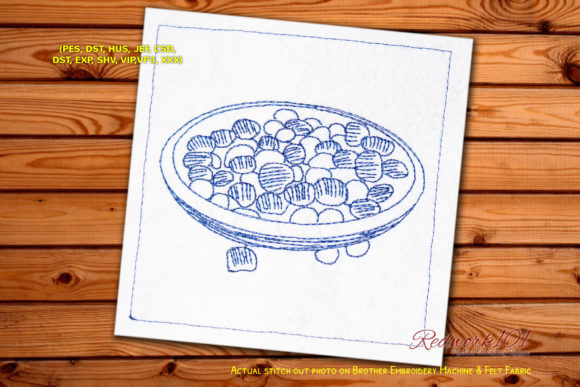
One detail worth noting from the product information: The Box Stitch shown in picture is optional. The color of the outer Box is a different color in most of the designs unless it is part of the design itself, and you can skip the color direction. This is a helpful flexibility for those of us who like to customize. If you want a clean, minimal look, you can omit the outer box entirely. If you prefer a framed finish, you can choose a thread color that complements your fabric. I tested it both ways and preferred the box-free version on lighter fabrics, while the box added nice structure on darker backgrounds.
Best Uses for Personalized Gift Products
After stitching this design on several different blanks, I found it most effective on embroidered towel sets, pillow cover accents, blanket embroidery projects, and custom tote bags. For baby embroidery, the redwork style feels gentle and safe, and the peanut motif is unique enough to stand out from the usual animal or floral designs. Parents who want something different for their nursery decor will appreciate the subtle, organic shape. For wedding gift items, this design works well on apron sets for a cooking-themed couple or on linen towels for a rustic wedding favor. I also tested it on a finished product for a family reunion gift, and the design carried a sense of shared roots and comfort that resonated with the client.
As a handmade product creator, I find that this design photographs beautifully for printable mockup listings and social media previews. The red thread pops nicely against natural linen, cotton, and even soft flannel. If you are a digital product seller offering machine embroidery design files, the Close Up Dried Peanuts Redwork Design is a strong addition to your catalog for customers who love food-themed or farmhouse-style projects. It also works well for custom order previews because it scales nicely within a moderate hoop size. Just be sure to check the exact hoop size requirements in your file format before listing, as this can vary by vendor.
Where to Use This Design Carefully
No design is perfect for every surface, and I found a few areas where the Close Up Dried Peanuts Redwork Design requires extra consideration. First, if you are stitching on textured fabric like thick toweling or heavy canvas, the fine lines of the peanuts may get lost if the fabric nap is too high. I recommend using a lighter, tighter-weave fabric for the best detail retention. On thick towels, the redwork lines still showed well, but I needed a firmer stabilizer to prevent distortion. Second, avoid placing this design on stretchy baby clothes unless you use a cutaway stabilizer and a light touch with your tension. The design has small interior details that can pull or gap if the fabric shifts during stitching.
Another consideration is dark fabric. While red thread on black or navy can look dramatic, the subtle texture of the peanut shells may be harder to appreciate. I tested it on a dark gray towel and found the red still popped, but the finer details blurred. A light or medium-toned fabric will serve this design best. Also, for products that need frequent washing, such as kitchen towels or baby blankets, I suggest using a quality polyester or cotton-wrapped polyester red thread to prevent fading. The redwork style is inherently durable, but thread quality matters for long-term wear. Finally, be mindful of small lettering if you plan to pair this design with text. The peanut motif is detailed enough that adding tiny fonts nearby can crowd the composition. Give it room to breathe.
Giftability and Perceived Value for Your Shop
From a business perspective, the Close Up Dried Peanuts Redwork Design adds significant giftability to your product line. Customers who see this design on a personalized gift item immediately associate it with care and craftsmanship. The redwork style feels intentional and hand-stitched, even when produced by a commercial embroidery machine. This perceived value helps justify a higher price point and builds customer trust in your brand. When I showed samples to a few regular buyers, they commented on the "sweet, nostalgic feel" and asked if I could do custom orders with names or dates added. That kind of emotional connection is exactly what drives repeat sales and positive reviews.
For Etsy seller listings, the design photographs well in natural light, especially when stitched on a neutral background. The red thread creates a strong focal point that draws the eye in product photos. I recommend stitching a sample on a flour sack towel and using it in your listing images alongside a printable mockup to show the scale. This design also works nicely as a small shop product for craft fairs, where customers can see the detail up close. The handmade quality of the redwork finish speaks to shoppers who value artisanal goods. Just be sure to confirm commercial licensing before selling finished products using this design. Most reputable design shops include a license with purchase, but always double-check the terms.
Practical Embroidery Notes for Reliable Results
Before you commit to using the Close Up Dried Peanuts Redwork Design on customer orders, I strongly recommend a few preparation steps. First, test on scrap fabric that matches your intended product weight. I tested on cotton muslin, a linen blend, and a jersey knit, and each required slight adjustments. Second, check thread color contrast by stitching a small sample on both light and dark fabric. Red thread on white or cream is classic, but a deep burgundy or coral could also work depending on your brand palette. Third, confirm hoop size in your software before cutting fabric. The design fits well in a standard 4x4 or 5x7 hoop, but I recommend verifying the exact dimensions from your embroidery file.
Fourth, review stitch density to ensure the design does not pucker on lightweight fabrics. Redwork designs are generally low-density, which is a plus, but I still check for any areas where satin stitches might be too tight. Fifth, use proper stabilizer. For most projects, a medium-weight cutaway stabilizer gave me clean results. On towels, I added a layer of water-soluble topping to prevent the thread from sinking into the looped fabric. Sixth, compare light and dark fabric mockups in your design software to preview how the design reads on different backgrounds. This helps you advise customers on fabric choices before they order. Seventh, check small details after stitching. I examine each finished piece under good lighting to ensure no thread breaks or skipped stitches mar the design. Finally, confirm commercial licensing for every design you sell. This protects your business and respects the digital embroidery file creator's work.
One more practical tip: if you plan to offer the box stitch option to customers, stitch out a version with the box and one without, and photograph both for your listing. Some buyers will love the framed look, while others will prefer the open, organic shape. Giving them a choice can increase conversion rates and make your custom embroidery offerings feel more tailored. The Close Up Dried Peanuts Redwork Design has enough flexibility to support both options, which is a mark of thoughtful design.
In my experience, this design is a solid addition to any embroidery library focused on personalized gift and handmade product categories. It bridges the gap between food-themed charm and heirloom-quality stitching. Whether you are stitching for a baby embroidery order, a wedding gift, or a custom kitchen set, this design delivers warmth and professionalism. Take the time to test it on your preferred blanks, adjust your thread and stabilizer choices, and you will have a reliable design that delights customers and supports your small shop product growth.